
Uncategorized
Understanding What Anxiety, Stress, and Insomnia is. Causes, Symptoms, and Treatment Guide
Mar
What Is Anxiety, Stress, and Insomnia? Causes, Symptoms, and Treatment Guide
Many people ask, what is anxiety, and how does it differ from everyday stress? Simply put, anxiety explained refers to a persistent feeling of worry or fear that does not fade easily. In contrast, what is stress? Stress is the body’s short-term response to pressure. Therefore, understanding stress vs anxiety explained helps you recognize when normal tension becomes a health concern.
Causes and Symptoms
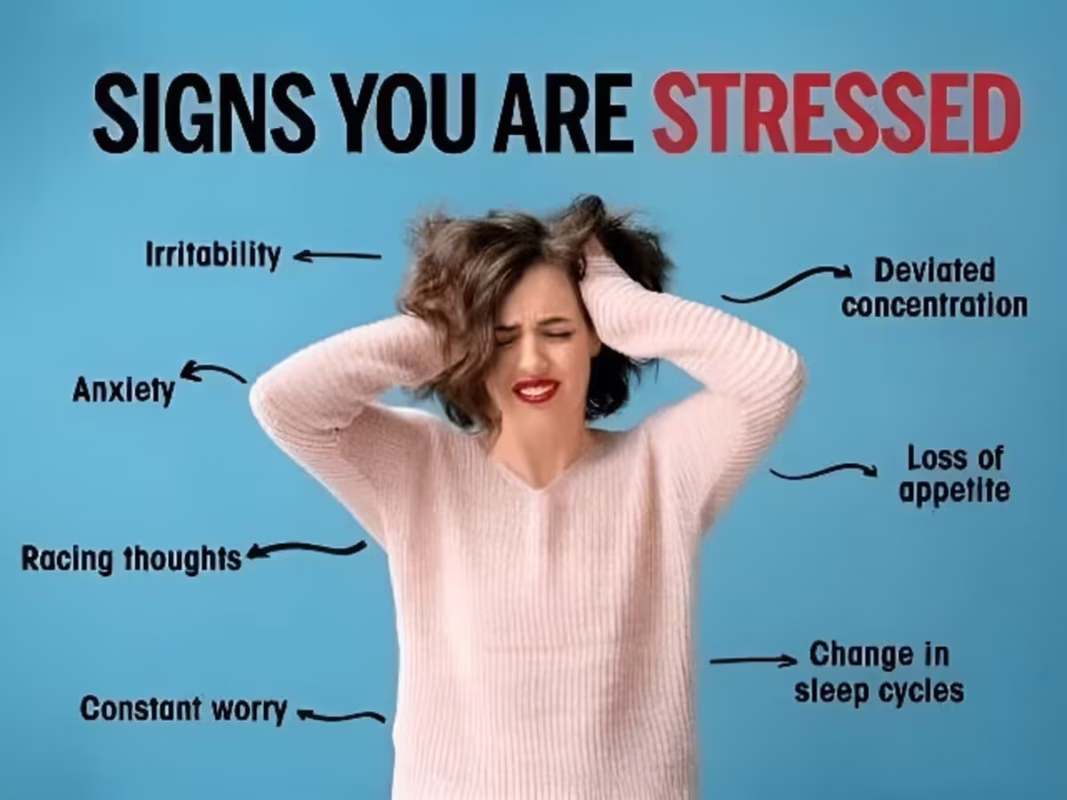
So, what causes anxiety? Genetics, trauma, ongoing pressure, and lifestyle factors all contribute. Likewise, the signs of chronic stress include irritability, fatigue, and poor focus. When reviewing anxiety symptoms explained, many people notice both emotional and physical reactions. Common physical symptoms of anxiety include rapid heartbeat, sweating, and muscle tension. Meanwhile, stress symptoms in adults often involve headaches and digestive issues.
Sleep also suffers. If you wonder about the insomnia meaning, it refers to ongoing difficulty falling or staying asleep. What is insomnia disorder? It is a medical condition marked by persistent sleep disruption. Because of this, many ask, why can’t I sleep at night? In fact, anxiety and sleep problems often connect. Racing thoughts at night anxiety can trigger wakefulness, and cortisol spikes explain why anxiety causes sleep problems. Over time, this pattern shows how insomnia develops.

How the Body Responds
To understand deeper, consider how anxiety affects the brain and how stress affects the body. The fight or flight response explained shows how your nervous system reacts to threats. During stress, cortisol levels rise, which supports the idea behind cortisol and stress levels explained. However, prolonged activation disrupts sleep and mood balance.
Treatment and Support Options
Fortunately, several anxiety disorder treatment options exist. Many people start with therapy for anxiety explained, especially cognitive behavioral approaches. For sleep, an insomnia treatment guide often includes sleep hygiene tips for insomnia, relaxation methods, and mindfulness for stress management. Additionally, breathing exercises for anxiety help calm the nervous system quickly.
Medical support also plays a role. An anxiety medication guide outlines types of anxiety medication explained, including antidepressants, benzodiazepines, and beta blockers. However, doctors discuss anxiety medication side effects, dependency risk, and possible interactions before prescribing. Therefore, always seek professional advice when symptoms persist.
When to Seek Help
If symptoms interfere with daily life, consider when to see a doctor for anxiety or when to seek help for insomnia. Early support improves recovery and restores balance more effectively.
Understanding anxiety vs stress differences and insomnia vs poor sleep empowers you to choose the right path toward better mental health and restorative sleep.
